
HEALing Communities Study Finds 15% Decrease in Non-Fatal Opioid Overdose in Intervention Communities
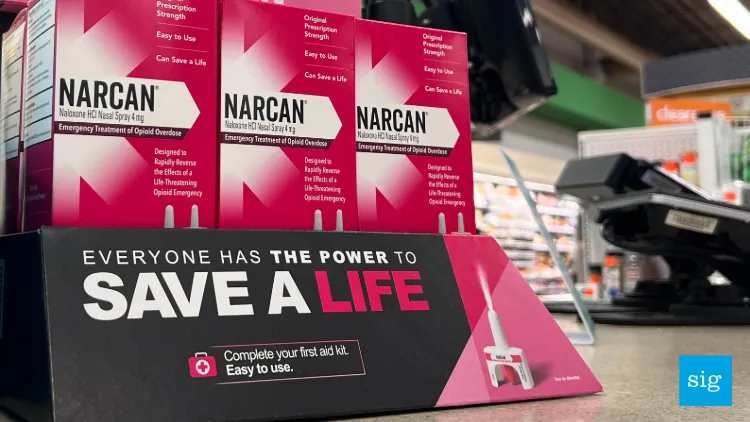
In a large-scale study of 67 communities, researchers at the Social Intervention Group (SIG) at Columbia University found a 15% reduction in non-fatal opioid overdoses in intervention communities compared to waitlist control communities. In collaboration with experts at the National Institute on Drug Abuse and researchers around the country, SIG faculty and staff assessed the study’s effectiveness at preventing non-fatal overdoses through data about emergency department visits and hospitalizations for opioid poisoning. The findings were published in “The effectiveness of the communities that HEAL intervention on reducing non-fatal opioid overdoses: A prespecified secondary analysis of a waitlist cluster control randomized controlled trial” in the International Journal of Drug Policy.
This 15% reduction in non-fatal opioid overdoses translates to an estimated 40 averted overdoses across the study’s 67 communities, and an estimated savings of $190,100 in healthcare spending per community. By comparing the ratio of non-fatal overdoses to total overdoses, the research team was able to establish that the decrease was not due to an increase in fatal overdoses. “Reducing and responding to non-fatal opioid overdoses is critical because individuals who experience non-fatal opioid overdoses are at increased risk of a later fatal overdose, as well as other serious health consequences,” said SIG Co-Director and lead author Dr. Louisa Gilbert.
The HEALing Communities Study, the largest community-based overdose prevention study ever conducted, examined the implementation of a community-engaged intervention to reduce stigma and scale up naloxone distribution, medications for opioid use disorder, and safer prescribing practices in 67 communities in New York, Massachusetts, Ohio, and Kentucky. Coalitions in each community, which were comprised of people representing the many stakeholders in ending the opioid epidemic, used local data to inform their selections of overdose prevention strategies in a wide range of community and health care settings.
While the scope of the HEALing Communities Study makes it challenging to determine which interventions specifically decreased the instance of non-fatal opioid overdose, the lack of differences observed due to state, rural or urban status, race, ethnicity, age, or sex suggest that the intervention applies to a wide range of communities in the United States. The framework used in the study effectively brings together diverse stakeholders with a focus on individuals with lived experience of opioid use disorder to respond to the overdose crisis by addressing specific community needs and deploying evidence-based prevention tools tailored to their local context.
“The study's findings underscore the effectiveness of community-engaged, data-driven approaches to reduce non-fatal opioid overdose by scaling up naloxone distribution, reducing stigma, and widening access to buprenorphine and methadone treatment,” said Dr. Gilbert. “These findings come at a time when the Trump administration and Congress are scaling back funding for community-based harm reduction services and naloxone distribution, as well as proposing more than $1 trillion in cuts to Medicaid, which pays for more substance use treatment than any other government program or insurer in the country. By not continuing to invest in these life-saving health services, we will no doubt see the rates of non-fatal opioid and opioid overdose deaths in our communities spike again.”
Contact
Louisa Gilbert, lead author and SIG Co-Director
Social Intervention Group