
Crowdsourced, Youth-Developed Materials Decreased HIV Stigma in Adolescents and Young Adults in Kazakhstan
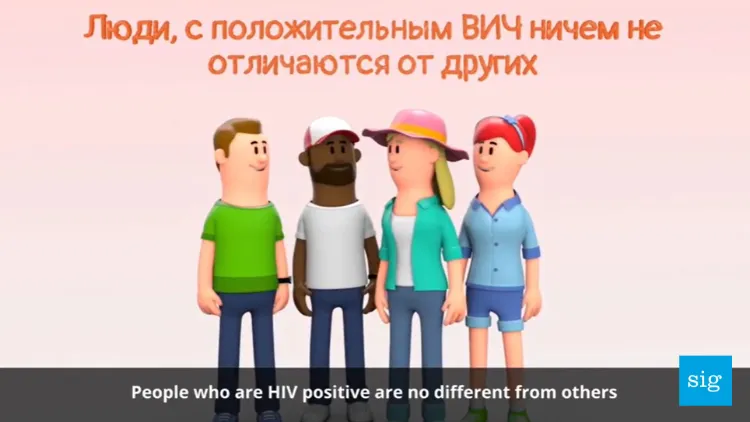
Using crowdsourced materials from adolescents and young adults in Almaty, Kazakhstan, a cohort of researchers led by SIG’s Dr. Alissa Davis found a 12.3% decrease in HIV testing stigma from pre-intervention to two-months post-intervention among adolescents and young adults in the intervention group, and a 10.9% decrease in total HIV stigma for female participants in the intervention group. In “A digital citizen science intervention to reduce HIV stigma and promote HIV testing: a randomized clinical trial among adolescents and young adults in Kazakhstan,” Dr. Davis and her co-authors detail the findings of the JasSpark study, which targeted adolescents and young adults from ages 16 to 24 in Kazakhstan.
More from JasSpark
In Kazakhstan, there is a high level of stigma attached to HIV testing and having HIV, and people with HIV often face discrimination from family, friends, employers, and healthcare providers. Because of this stigma, there is a low uptake of HIV testing among adolescents and young adults in Kazakhstan, despite the high and increasing incidence of HIV in that age group. Additionally, many of the conventional HIV stigma interventions that target adolescents and young adults are focused on those already living with HIV, not those at risk for future acquisition. “This study shows that a youth-developed citizen science intervention can decrease HIV stigma, particularly among young women,” said Dr. Davis. “Decreasing HIV stigma is an important part of increasing testing uptake in this group, where the low rate of testing leads to low status awareness and delays initiation of antiretroviral therapy.”
Citizen science, which uses participatory methods like crowdsourcing, allowed the researchers to recruit local adolescents and young adults to develop their own materials designed to address HIV stigma and promote testing. These materials were then assessed by a panel of youth peer judges and public health experts. Though the study did not examine the specific mechanisms of change, the materials that came from the crowdsourcing campaign addressed common misconceptions about HIV, emphasized the importance of HIV testing as part of managing one’s health, showed positive and supportive HIV testing experiences, and provided other messages that countered the stigma and fear around HIV testing. “Using a citizen science approach in Kazakhstan enabled us to engage local youth in the creation of HIV stigma reduction content for their peers, effectively targeting the specific issues that Kazakhstani youth are concerned about,” said Dr. Davis. “This is an approach that we could potentially use in other communities around the world to decrease HIV stigma and increase engagement in the HIV care continuum.”
Contact
Alissa Davis, lead author and study PI
Social Intervention Group