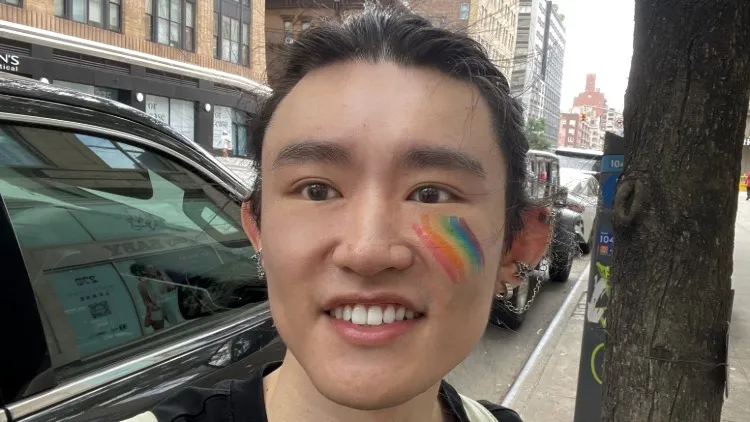
Columbia University’s Interschool Governing Board (IGB) has officially recognized Global Qnection (GQ), the first student organization at Columbia dedicated to supporting LGBTQ+ international students. The organization was initiated by Yang Shichang, a PhD student at CSSW and SIG.
At Columbia University, over 13,000 international students make up nearly 40% of the student body, with the majority coming from countries where structural stigma and even criminalization against LGBTQ+ people remain severe, such as China, India, and Egypt. LGBTQ+ international students navigate unique intersectional challenges: they often experience language barriers, acculturation difficulties, racism, and xenophobia within U.S.-based spaces, while also confronting LGBTQ+-phobia among international peers. Since last year, the rapidly shifting policies, administrative actions, and political atmosphere directly targeting international students and LGBTQ+ individuals have substantially intensified their vigilance, mental stress, and vulnerability. Under these conditions, Shichang initiated GQ, aiming to provide a safe space, a peer support ecosystem, and an advocacy body for LGBTQ+ international students at Columbia.
"When you first come to a completely new environment alone, where even paying for groceries or taking a subway can be processed totally differently, peers from your home country who speak your language and understand your difficulties might be the most important support resources. However, the most disgusting homophobic and transphobic comments one can imagine are usually from them as well—this is an experience shared by many LGBTQ+ international students," said Yang Shichang.
To foster a safe, LGBTQ+-affirming, and culturally responsive environment, content and format of all programs are designed based on international students’ cultures and needs. GQ maintains digital communities where students can access queer peer support and resources in their first languages, using apps popular among international students, such as WhatsApp and WeChat. Community events are hosted to provide opportunities for interpersonal connection and cross-cultural communication, where food, games, and art around the world are brought together. GQ is also preparing for educational and cross-cultural programs, such as academic lectures and cultural fairs. These programs will showcase diverse queer histories, queer cultures, and LGBTQ+ movements around the world, demonstrating how different cultures celebrate queerness, and their experiences and challenges in fights for social justice.
Shichang’s research at SIG focuses on lived experience and mental health among LGBTQ+ individuals around the world. The founding of GQ reflects SIG’s commitment to translating empirical research into community-led action and to moving from documenting inequities to building infrastructures of care.