
Caribbean Women Experiencing IPV in NYC Face Barriers to Accessing Support Services
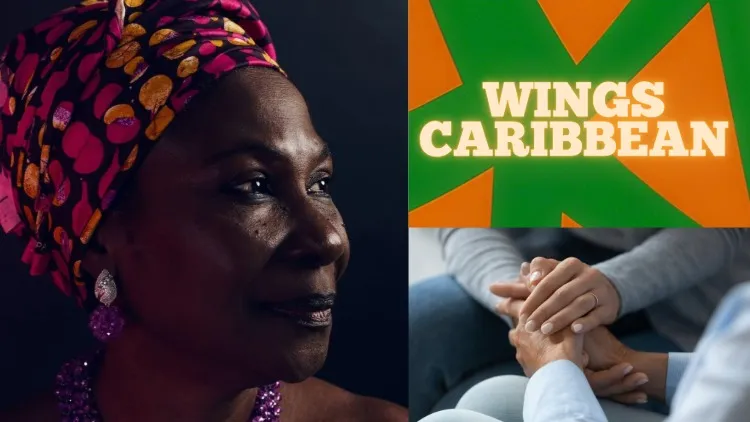
In Intimate Partner Violence Studies in the English-Speaking Caribbean and Diaspora: A Scoping Review, Dr. Dawn Goddard-Eckrich, Kacey-Ann Cockett, and colleagues found that while IPV remains a critical public health crisis disproportionately affecting women across the Caribbean, the evidence base needed to drive effective policy and intervention has remained strikingly thin. The scoping review examined descriptive studies, surveys, secondary data analyses, and mixed-methods studies or interventions conducted between 2000 and 2022 among English-speaking adult Caribbean populations. By including both the region itself and diaspora communities, the research team was able to identify a geographic imbalance, in which 42.5% of the existing studies focus on the diaspora rather than Caribbean residents. They also found that the research in the region is limited in its scope and methodological rigor. The review identified mutable IPV risk factors including substance use behaviors and socioeconomic stressors that can inform the adaptation of evidence-based interventions to reduce harm and improve access to care, health, and wellbeing among Caribbean and Caribbean immigrant women.
The review also sheds critical light on the compounded vulnerabilities facing immigrant survivors of intimate partner violence, particularly women from English-speaking Caribbean communities in the United States, who face significant social and systemic barriers. Many encounter racism and xenophobia, and face language barriers, lack of culturally relevant services, fear of immigration consequences, and assumptions that they are less deserving of protection. Misinformation about eligibility for services, along with fear of deportation, often keeps immigrant survivors trapped in abusive situations. By informing service providers of these frequently overlooked barriers to help-seeking, the goal is to foster rapport between service providers and their clients, thus reducing misinformation, improving access to legal resources, and strengthening community trust. All of these efforts are critical to tipping the balance toward safety and independence for some of the most vulnerable people affected by IPV, who often go unseen. These findings make clear that culturally tailored, community-grounded research is urgently needed, not only to accurately capture the scope of IPV across the Caribbean and its diaspora, but to build the evidence-based prevention like the WINGS study and intervention strategies that these communities deserve.
Sherna Alexander Benjamin, an IPV prevention expert from Trinidad and Tobago and one of the authors of the review, addressed the findings: “This scoping review is not merely an academic exercise: it is a powerful and profound act of witness for women in the English-speaking Caribbean whose experiences with violence have been overlooked and rendered practically invisible by research that investigated everywhere but within the context of the Caribbean, the place women call home,” she said. “What we found in the gaps is as strikingly telling as what we found in the data: a region bearing one of the world’s highest rates of intimate partner violence is under-resourced, under-researched, and overlooked: this study provides the evidence and makes a critical call for action. We owe it to the emerging economies of the Caribbean, every survivor whose story has never been counted to build evidence, design culturally grounded, technologically driven interventions that are long overdue for this region, and finance research that this region has long deserved. Because what we fail to study, we fail to stop and perpetuate the violence we talk about.”
Building on these findings, the study team will design a pilot study based on input from a community action working group (CAWG) of Caribbean women living in New York City and eventually in the Caribbean itself. The CAWG will bring together women who have experienced IPV, community-based organizations, law enforcement, and service providers to co-develop a culturally tailored response through the WINGS intervention. Drawing on the review’s evidence base, the team aims to better address IPV and advocate for broader implementation of evidence-based interventions in the Caribbean and among the Caribbean diaspora.