
Faculty Task Force
The faculty task force that leads the AI for Social Good and Society (AI4SGS) Initiative is dedicated to advancing ethically grounded, equity-driven applications of artificial intelligence across disciplines. The task force aims to foster interdisciplinary collaboration, provide strategic thought leadership, and support research, education, and innovation that promote justice, public health, and community impact. By uniting faculty expertise from computer science, engineering, social work, statistics, and related disciplines, the group ensures that AI4SGS's work remains cutting-edge, community-centered, and aligned with its foundational values.
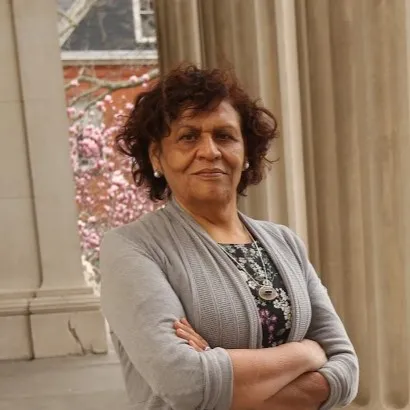
Dr. Nablia El-Bassel is a University Professor at the Columbia University School of Social Work. She was recently named one of the top cited intimate partner violence researchers and is the Director and co-founder of the Social Intervention Group (SIG) and the Principal Investigator for the HEALing Communities Study, and Director of the Columbia Center for Healing of Opioid and Other Substance Use Disorders.
Dr. El-Bassel provides significant national and international leadership to the global health agenda, and has been funded extensively by the National Institute of Mental Health and the National Institute on Drug Abuse. She has designed and tested HIV intervention and prevention models for women, men, and couples, which have been disseminated nationally and internationally.
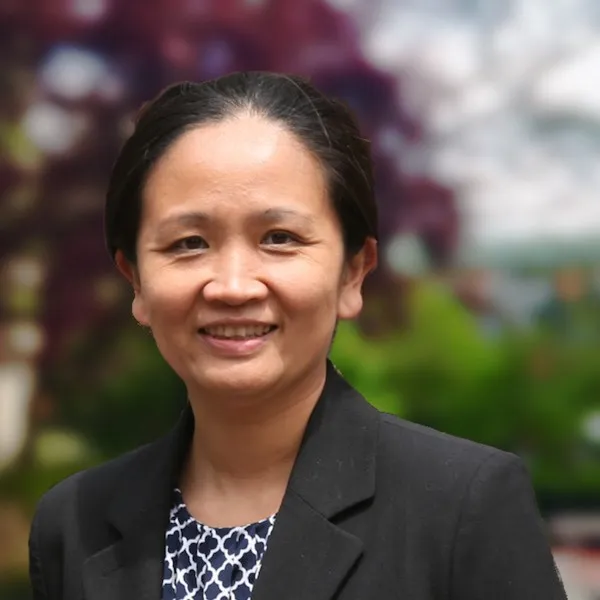
Professor Tian Zheng develops novel methods for exploring and understanding patterns in complex data from different application domains. She is passionate about education and mentoring, and how they hold great potential in driving convergence and broadening participation. Professor Zheng’s research has been recognized by the 2008 Outstanding Statistical Application Award from the American Statistical Association, the Mitchell Prize from ISBA, and a Google research award. She became a Fellow of the American Statistical Association in 2014, a Fellow of the Institute of Mathematical Statistics in 2022, and a Fellow of American Association for the Advancement of Science in 2024. From 2017-2020, she was associate director for education at Columbia Data Science Institute. Professor Zheng is the recipient of the 2017 Columbia Presidential Award for Outstanding Teaching. In 2021, she was recognized with a Lenfest Distinguished Columbia Faculty Award that recognizes the excellence of faculty as teachers and mentors of both undergraduate and graduate students.
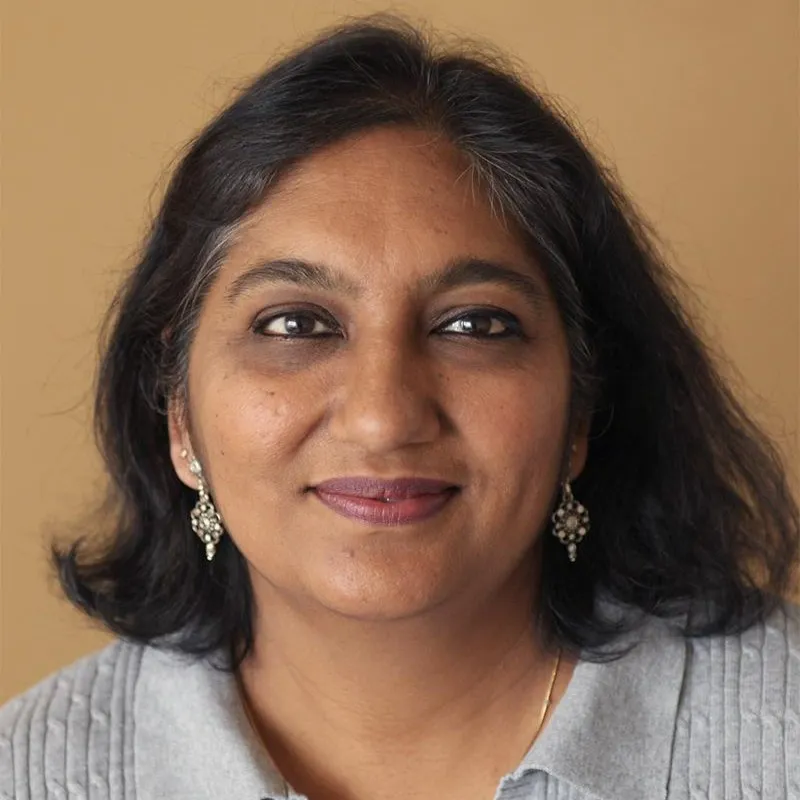
Maneesha oversees teaching and learning and research services for the University. She has successfully led large projects in partnership with schools/departments across the University, including upgrading CourseWorks (twice, to Sakai in 2011 and Canvas in 2016), managing the Sundial replacement project, and launching the University-wide online evaluation system. Maneesha has also spearheaded the launch of new services including Electronic Notebooks, Confluence, Zoom, Panopto and more. Additionally, Maneesha provides strategic leadership in the areas of research computing including High Performance Computing, RASCAL and InfoEd teams.
Maneesha provides direction for CUIT's Emerging Technology Consortium (ETC), which she kicked-off in the fall of 2017. This group positions CUIT as an exchange place for cutting-edge work and knowledge sharing among researchers, faculty, students and industry partners.
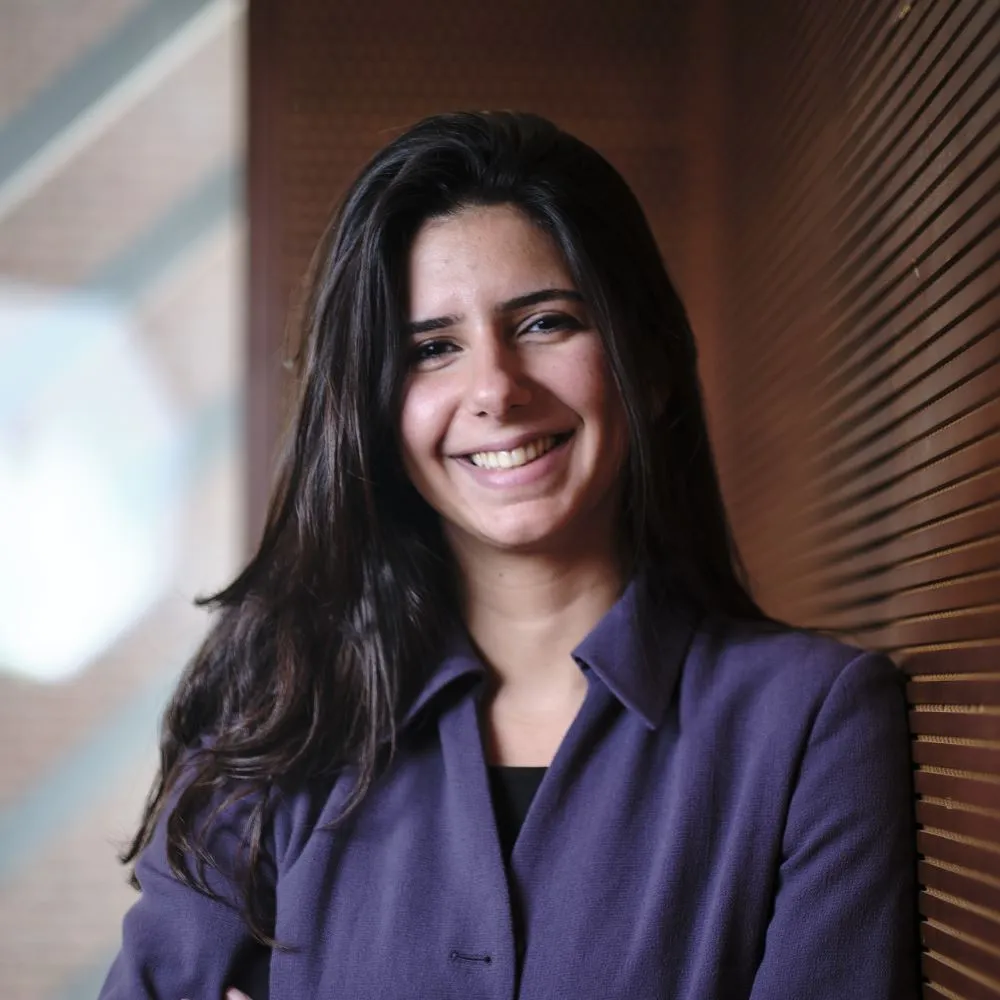
Dr. Yaren Bilge Kaya is a lecturer and a researcher specializing in public service access and provision. Her research and teaching interests encompass the application of large-scale optimization, simulation modeling, queuing theory, and machine learning to address social justice, access, and equity issues within housing, human trafficking, and healthcare contexts. Given the complexity of these societal challenges, Yaren employs a community-based and interdisciplinary approach to her research and teaching, which incorporates perspectives from multiple stakeholders, including those who are most affected by the social issues. Currently serving as a lecturer in the Industrial Engineering and Operations Research Department at Columbia University, Yaren imparts her expertise through teaching courses on healthcare and public sector operations research, optimization, and simulation modeling.
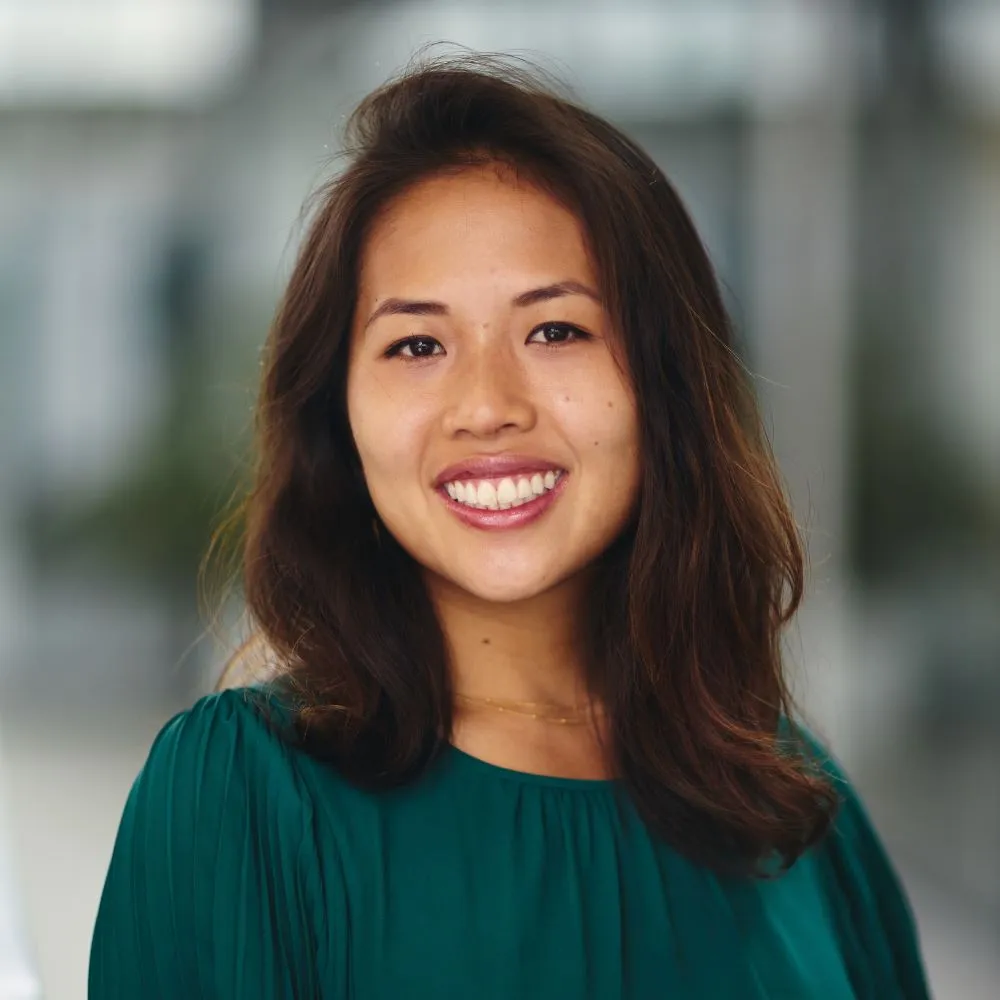
Lily Xu is the Sun-Wu Assistant Professor at Columbia University. Her research develops AI methods across machine learning, optimization, and causal inference for planetary health challenges. She aims to enable practitioners to make effective decisions in the face of limited data, taking actions that are robust to uncertainty, effective at scale, and future-looking. She partners closely with nongovernmental organizations and interdisciplinary researchers to bridge research and practice, serving as AI Lead for the SMART Partnership to support wildlife conservation through poaching prevention. Since 2020, she co-organizes the EAAMO research initiative, committed to advancing Equity and Access in Algorithms, Mechanisms, and Optimization.
Lily holds a PhD in computer science from Harvard University and completed a postdoc at the University of Oxford with the Leverhulme Centre for Nature Recovery. Her research has been recognized with best paper runner-up at AAAI, the INFORMS Doing Good with Good OR award, a Google PhD Fellowship, a Siebel Scholarship, and IFAAMAS Victor Lesser Distinguished Dissertation Award runner-up.
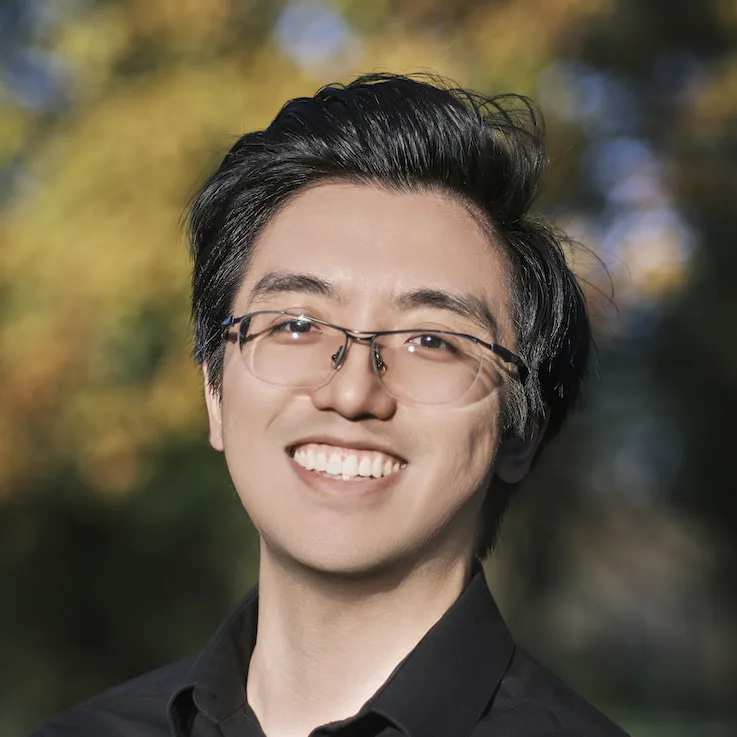
Xuhai “Orson” Xu is an Assistant Professor in the Department of Biomedical Informatics at Columbia University. His research bridges human-computer interaction (HCI), applied AI, and health, focusing on developing deployable AI algorithms that integrate everyday sensor data, electronic health records, and beyond for health prediction and intelligent interventions. His work empowers individuals to better monitor and improve their health and well-being, while equipping clinicians with data-driven tools to provide more personalized and effective care.
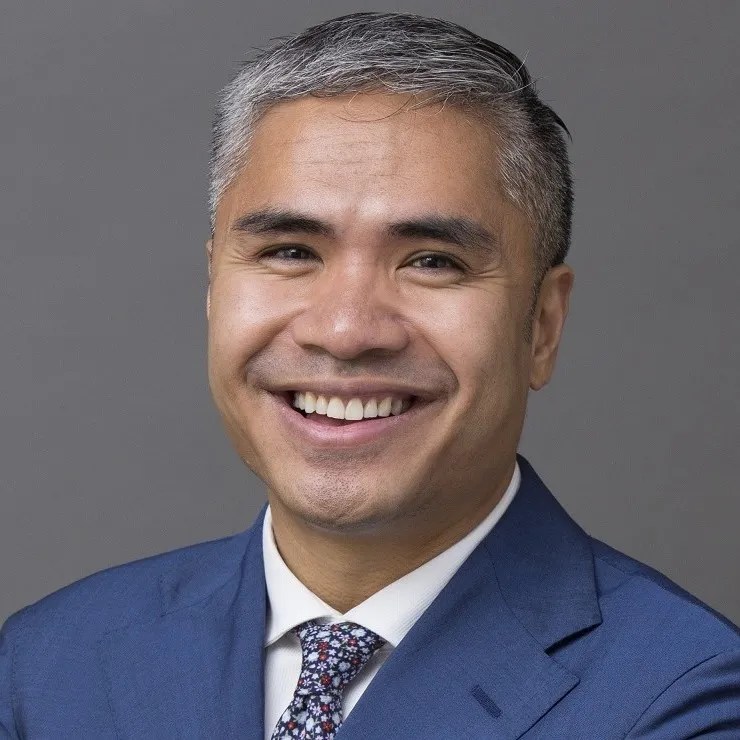
James David was the Senior Project Director for the HEALing Communities Study at the Social Intervention Group, leading and providing operational guidance and support to the Study. Mr. David has project management experience in myriad fields such as healthcare, media, consumer technology, as well as non-profit advancement.
A through line of Mr. David’s career has centered around communities working together toward a common goal. Those goals have included raising funds for capital projects as well as need-based scholarships, in addition to increased healthcare access, and even creating robust online communities. In his current role, he is able to draw from those varied experiences to support HCS. Mr. David also connects his work to the need for social justice, equity, as well as inclusion, leveraging this deep commitment to guide his work.
AI4SGS Faculty Task Force Responsibilities
Objectives
- Guide the research and development agenda for AI4SGS through interdisciplinary insight.
- Advance responsible and inclusive AI applications that address urgent social and public health challenges.
- Promote community-engaged approaches and participatory design in AI development.
- Foster educational initiatives that train students and scholars in ethical, interdisciplinary AI for social good.
- Support grant writing, dissemination, and translation of AI4SGS research into real-world solutions.
- Create virtual seminars series that brings CU faculty and students and more
Structure
- Leadership of AI4SGS initiative
- Faculty member(s).
- Responsibilities include convening meetings, setting agendas, and coordinating efforts across working groups.
- On going meeting bi weekly and more as needed
Director of the AI4SGS Initiative (Ex Officio Member)
- Provides strategic alignment and facilitates coordination with initiative operations and priorities.
Faculty Members
- Drawn from diverse disciplines (e.g., Computer Science, Engineering, Statistics, Social Work, Public Health, Ethics).
- Appointed based on demonstrated expertise in AI, community-engaged research, or public impact.
- Advanced trainees may be invited to contribute or observe group activities to support training and knowledge-sharing.
Working Groups
The Task Group may form subgroups focusing on:
- Technical Innovation
- Community Engagement
- Education and Curriculum
- Policy and Ethics
- more
Roles and Responsibilities
Deliverables
Develop a shared interdisciplinary "AI + Social Good Research Agenda."
- Collaborate on projects
- Design and lead virtual presentations
- Plan a yearly mini conference
- Produce white papers, policy briefs, and joint funding proposals.
- Identify and support pilot research or seed grant projects.
- Design AI-focused modules or course content for integration into academic programs.
- Create frameworks for evaluating equity, effectiveness, and community alignment of AI tools.
- Fund raising
- Engage students
Meetings and Communication
- The full Task Group shall monthly with additional meetings scheduled as needed.
- Working groups may convene more frequently based on project needs.
- Meeting minutes and deliverables will be documented and shared with the AI4SGS leadership team.
Term and Membership Review
Membership composition will be reviewed annually to ensure diversity of disciplines and alignment with emerging AI4SGS priorities.
Alignment with AI4SGS Values
This Task Group’s work will remain rooted in the AI4SGS core principles of equity, community partnership, and the ethical application of AI for the public good.