
Faculty Affiliates
AI for Social Good and Society faculty affiliates are doing groundbreaking research on using AI to advance community-engaged research.
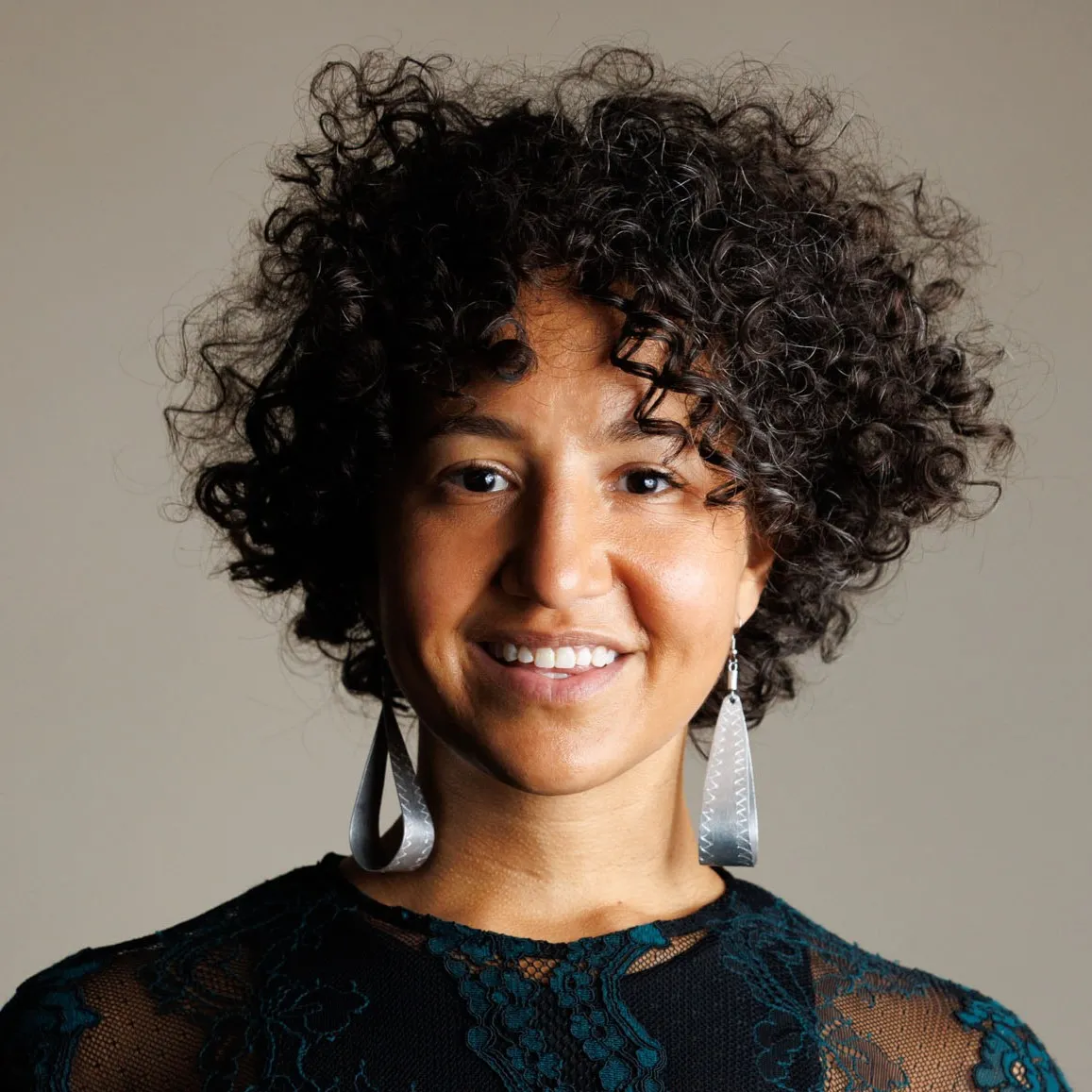
Dr. Riana Elyse Anderson is a clinical and community psychologist whose work centers on promoting healing in Black families and communities. She uses mixed methods to study how racial discrimination and racial socialization shape the mental health and well-being of Black adolescents and their families. Dr. Anderson is the developer and director of EMBRace (Engaging, Managing, and Bonding through Race), a family-based intervention that helps reduce racial stress and improve youth outcomes.
As CEO and Founder of RACE Space Inc., she has also translated her research into innovative platforms, including Teens Navigating the Talk (TNT), an app created to support youth of color in conversations about race. Her work has been funded by the Ford Foundation, Robert Wood Johnson Foundation, WT Grant Foundation, and others, and she has published extensively while also engaging wide public audiences through CNN, The New York Times, Washington Post, Psychology Today, and dozens of other media outlets.
Dr. Anderson has received more than twenty national awards, including recognition from the American Psychological Association, Society for Research on Adolescence, the Society for Research in Child Development, and the Federation of Associations in Behavioral & Brain Sciences. She also serves on several national committees and consults with organizations such as Google, YouTube, and Nickelodeon. Born and raised in Detroit, she brings a deep commitment to bridging scholarship, practice, and community engagement.
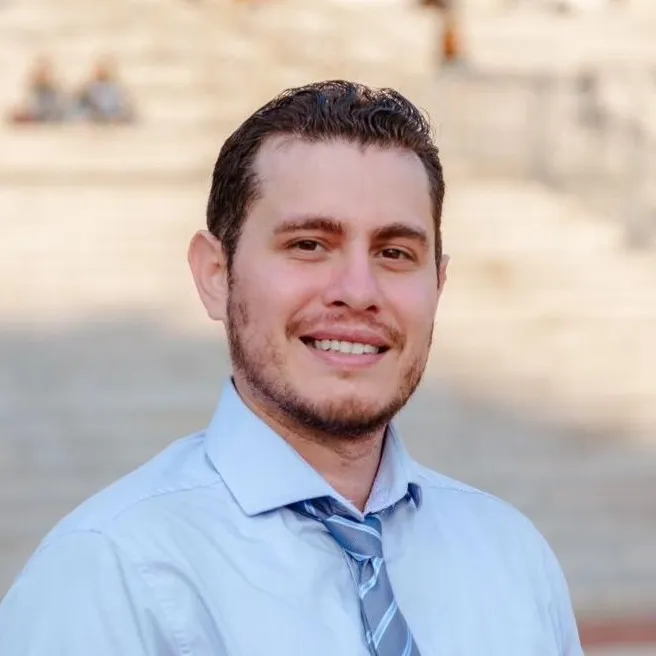
Eric Aragundi is a data scientist committed to using AI, programming, and rigorous statistical techniques to improve community-engaged public health work. In collaboration with mentors Tian Zheng, Nabila El-Bassel, and others, Eric has played a central role in recent work using artificial intelligence and natural language processing to analyze qualitative and unstructured text, for example, meeting minutes from coalition gatherings in the HEALing Communities Study. In the paper “Artificial Intelligence and Stigma in Addiction Research: Insights From the HEALing Communities Study Coalition Meetings,” he helped employ machine learning, large language models, and NLP to analyze how coalitions discuss stigma, race, and inequity when selecting evidence-based practices.
Eric also brings his passion for programming and teaching into his work. He integrates AI/data analysis tools into his classroom instruction and curriculum development, and is interested in building capacity for social intervention studies to leverage AI-powered tools for analyzing qualitative and unstructured data more efficiently and ethically.
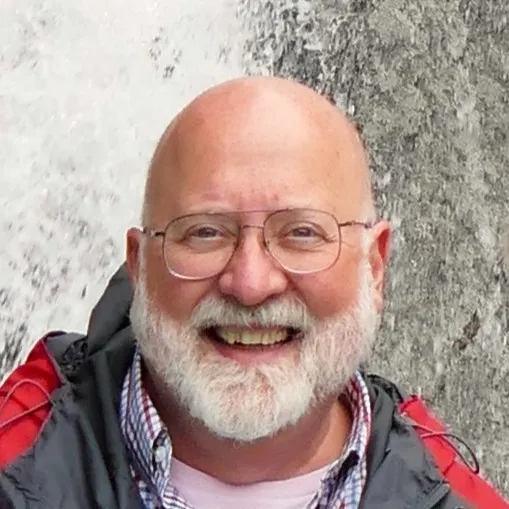
Daniel J. Feaster, PhD, is a Professor of Biostatistics at the University of Miami Miller School of Medicine with over three decades of experience designing and analyzing large-scale public health studies. His methodological expertise spans hierarchical and longitudinal modeling, structural equation modeling, and advanced approaches for handling missing or complex data.
Feaster co-leads community-engaged trials focused on HIV prevention and treatment, substance use, and mental health—ensuring that data-driven solutions translate into equitable outcomes for the populations they serve. He is interested in integrating artificial intelligence and machine learning into his work to improve prediction of treatment response, identify intervention heterogeneity, and provide timely, actionable insights for community partners. Feaster’s approach blends rigorous statistical innovation with a commitment to community partnership, positioning AI as a tool to enhance (not replace) human decision-making in public health.
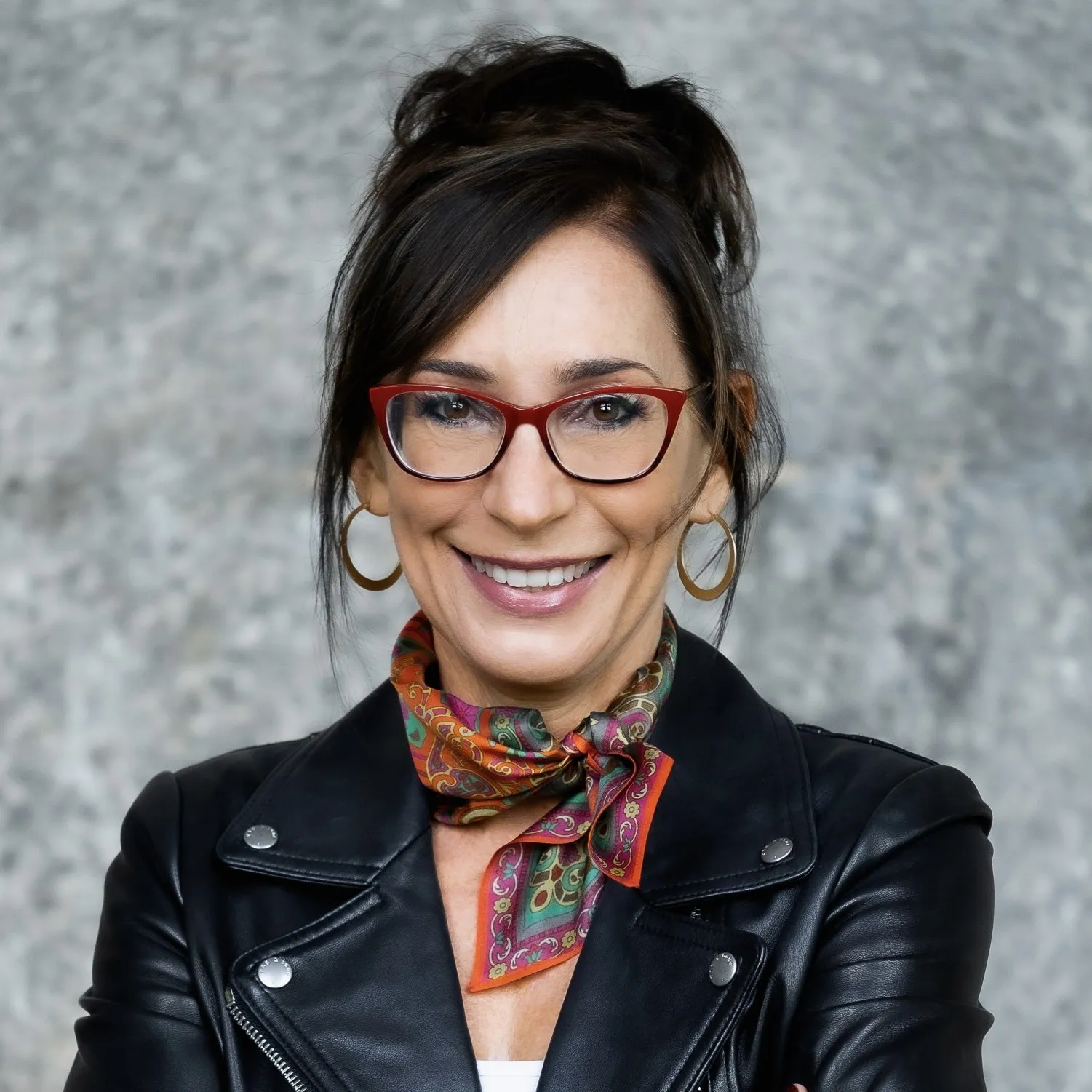
Victoria Frye, DrPH, MPH, is a sociomedical scientist who studies the epidemiology and prevention of intimate partner and sexual violence, HIV, and related sexual health outcomes, with a focus on the etiological roles of stigma, discrimination, and equity. She has spent over two decades designing and testing interventions for populations made vulnerable to HIV and violence by social systems of oppression - women who use exchange sex for needed resources, gay men of color, low-income Black and Latinx people - applying critical social theories and theory-driven empirical work to design multilevel and multicomponent interventions.
Her scholarship prioritizes the voices, concerns, and lived experience of communities. She is committed to authentic partnership with community organizations and people affected by violence and HIV, working toward conducting community partnership-based research that is not extractive, but responsive, ethical, and grounded in equity. She is deeply attentive to how emerging socially interactive technologies, big data, and analytics might replicate or magnify existing inequities unless governed with care. She has spoken publicly about community concerns around stigma, discrimination, homophobia, and privacy, underscoring the need for new tools to incorporate equity-based safeguards, center community-driven questions, and prioritize transparency.
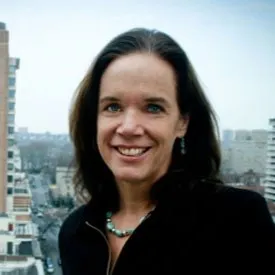
Dr. Louisa Gilbert has served as the Co-Director of the Social Intervention Group (SIG) since 1999 and the Co-Director of the Global Health Research Center of Central Asia (GHRCCA) since 2007. She is a licensed social worker with over 25 years of experience developing, implementing and testing multi-level interventions that address the syndemic mechanisms linking substance misuse, gender-based violence (GBV), trauma and HIV/AIDS among key affected communities in the U.S. and Central Asia. Her specific area of research interest has concentrated on advancing a continuum of evidence-based interventions to prevent intimate partner violence (IPV) and GBV among women and women in the criminal justice system.
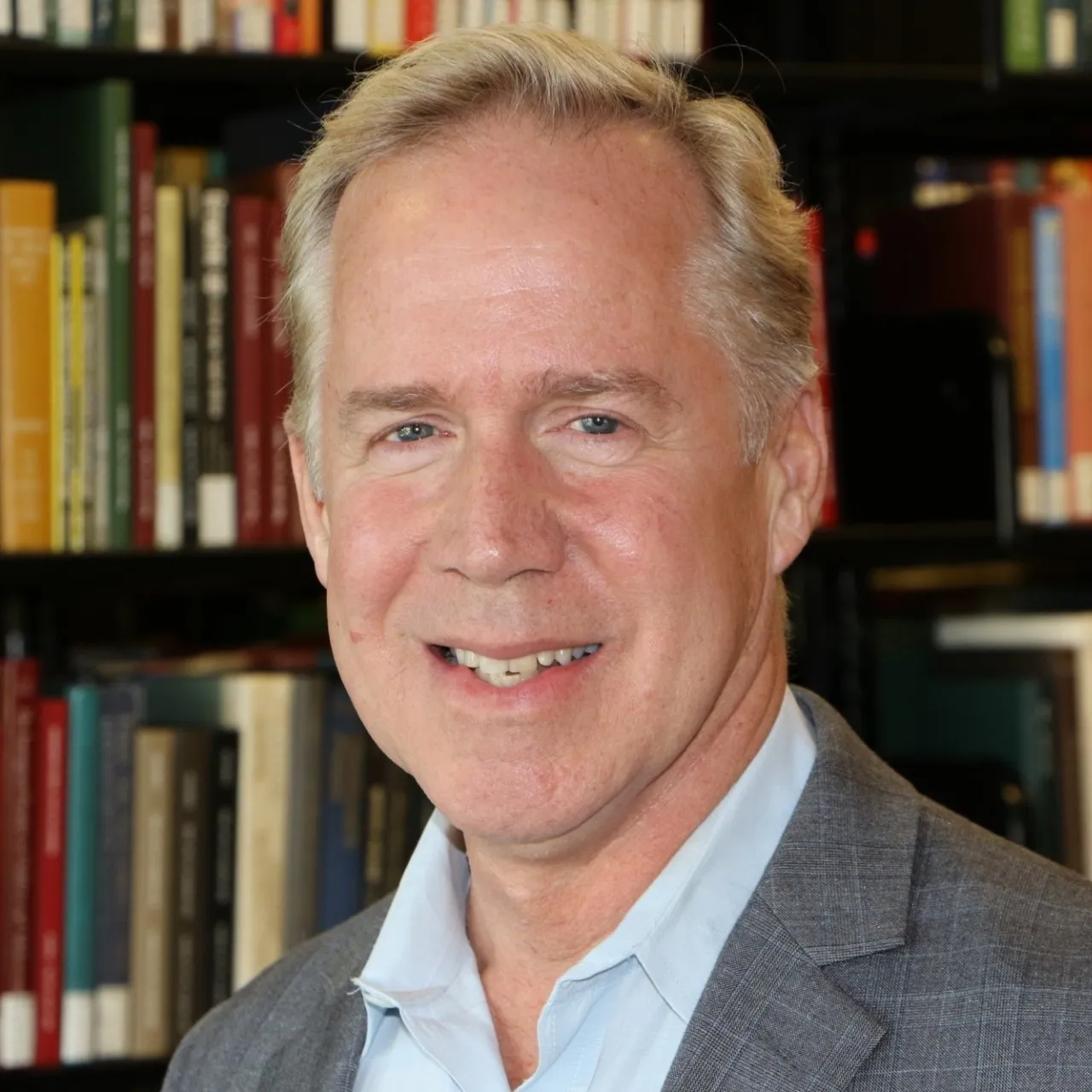
Timothy Hunt, PhD, MSW, is a seasoned researcher and clinician with over 30 years of experience in substance use treatment, HIV prevention, mental health, intimate partner violence, and health-promotion interventions both in the U.S. and around the world. He has designed, tested, and disseminated evidence-based interventions, built capacity across social service workforces, and led implementation work that bridges research and practice.
He has an extensive record of designing and leading training programs for social workers, clinicians, and community partners to implement evidence-based practices such as motivational interviewing, harm reduction, and trauma-informed care. Building on this foundation, Dr. Hunt is particularly interested in how emerging technologies, including AI, can enhance these efforts. His goal is to integrate AI ethically and thoughtfully into workforce development to leverage new technologies to improve care and reduce inequities.
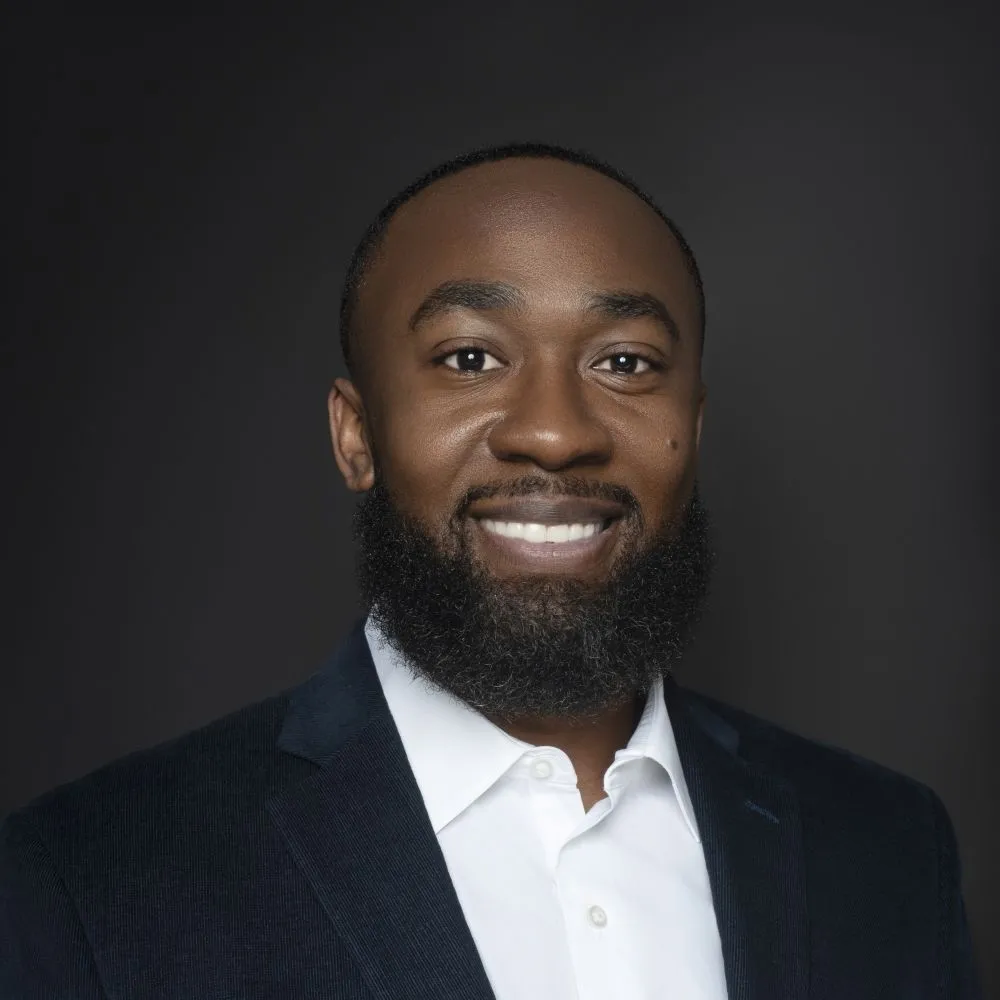
Charles H. Lea III, PhD, MSW, investigates how racism, carcerality, and systemic disinvestment act as fundamental drivers of health inequities for Black youth and adults. His work foregrounds healing-oriented frameworks, such as critical consciousness, cultural authenticity, self-knowledge, hope, emotional and social support, and resistance, as resilience pathways against structural harm. Using qualitative, mixed, arts, and participatory methods, he explores how anti-Black racism and involvement with the criminal legal system intersect as social determinants of health.
Dr. Lea’s research bridges theory and implementation: He collaborates with schools, community organizations, and justice-involved settings to design, test, and translate multi-level, community-engaged prevention and intervention strategies. His scholarship is informed by decades of on-the-ground experience in community, educational, and correctional settings, evaluating reentry, school reform, workforce development, and youth development programs.
He earned his PhD from UCLA, MSW from the University of Michigan, and BA in Sociology from UC Berkeley. In 2025, Dr. Lea co-led a symposium at the Society for Prevention Research on prompt design, equity, and AI in LGBTQ+ mental health, and was recognized with an Abstract of Distinction award for that work.
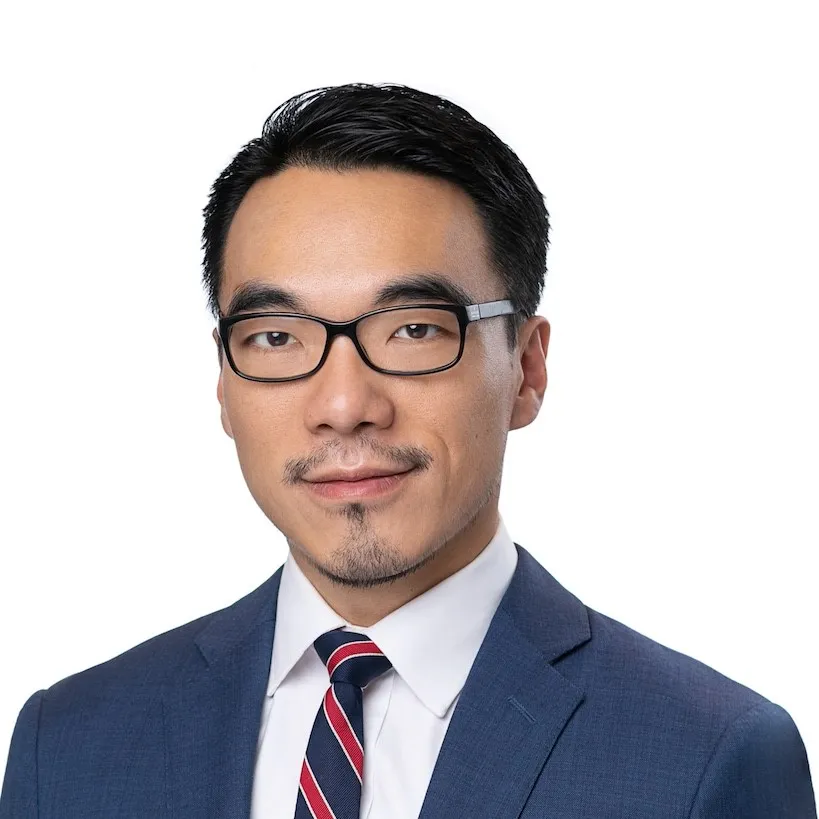
Dr. Sean Luo is an addiction psychiatrist and researcher working at the interface of statistics, machine learning, and addiction science. He received his MD/PhD at Columbia in theoretical neuroscience, and completed his residency and fellowship training at the Columbia/NewYork Presbyterian Hospital/New York State Psychiatric Institute. His research has focused on application of advanced machine learning methods to substance use disorders. His research group developed the first individual level prediction model for opioid use disorder treatment. He also led several projects relating to developing artificial intelligence based clinical decision support , multivariate causal inference, and reinforcement learning. He is currently the director of the addiction data science work group at the Division on Substance Use Disorder, Department of Psychiatry.
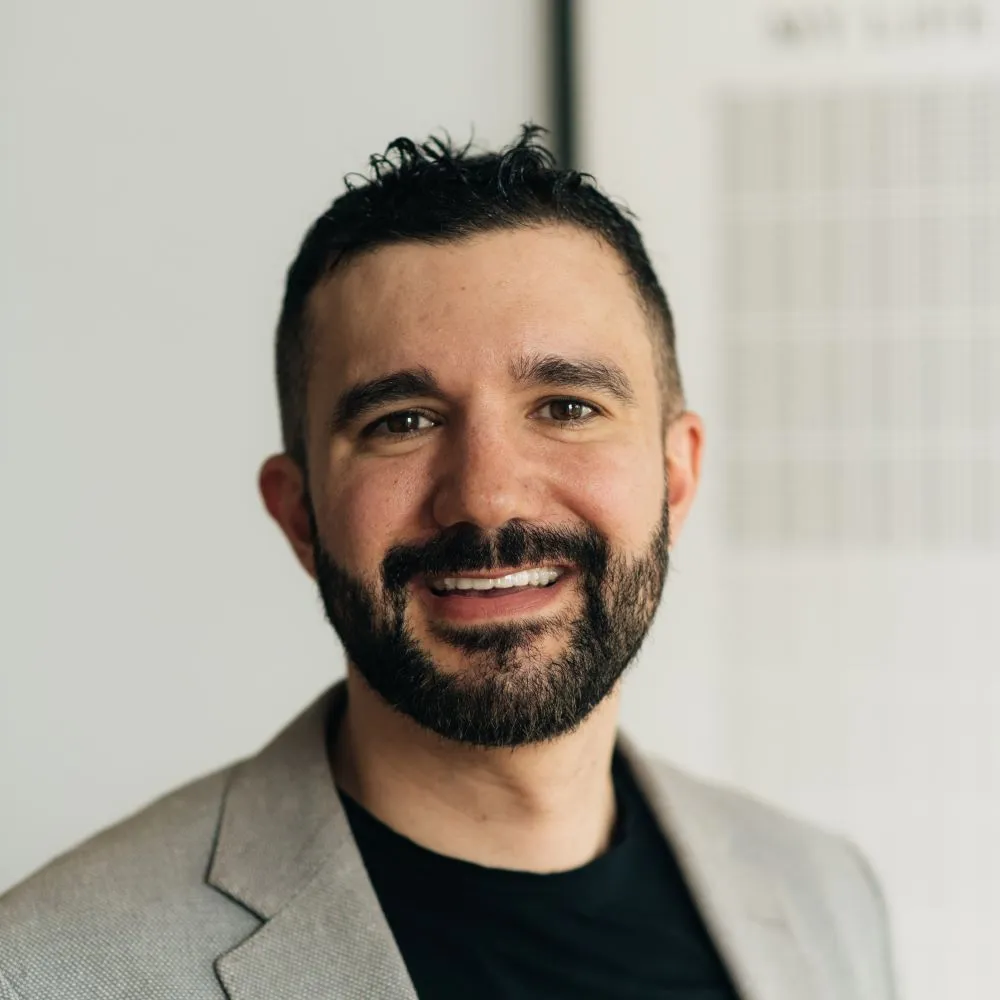
Ryan S. Sultan, MD, is an Assistant Professor of Clinical Psychiatry at Columbia University and a thought leader positively harnessing technology for mental health and social impact. As Director of the Sultan Lab for Mental Health Informatics, Dr. Sultan specializes in using big data analytics, artificial intelligence, such as machine learning, to address pressing public health issues in psychiatry. His work bridges disciplines of data science and clinical psychiatry, for example, applying Natural Language Processing to electronic medical records to identify patterns in substance use and mental health treatment outcomes.
Dr. Sultan’s research has shed light on critical areas such as adolescent substance use and mental health comorbidities, providing data-driven insights that inform more equitable and effective interventions. With Integrative Psychiatry, he leverages HIPAA-compliant, privacy-focused, community-oriented AI interventions to further improve quality of care, underscoring his commitment to using AI and advanced analytics to augment human-centered care, reduce health disparities, and promote social good through innovation.